The One Layer That Fixes a Sweaty Commute Home in Late Summer
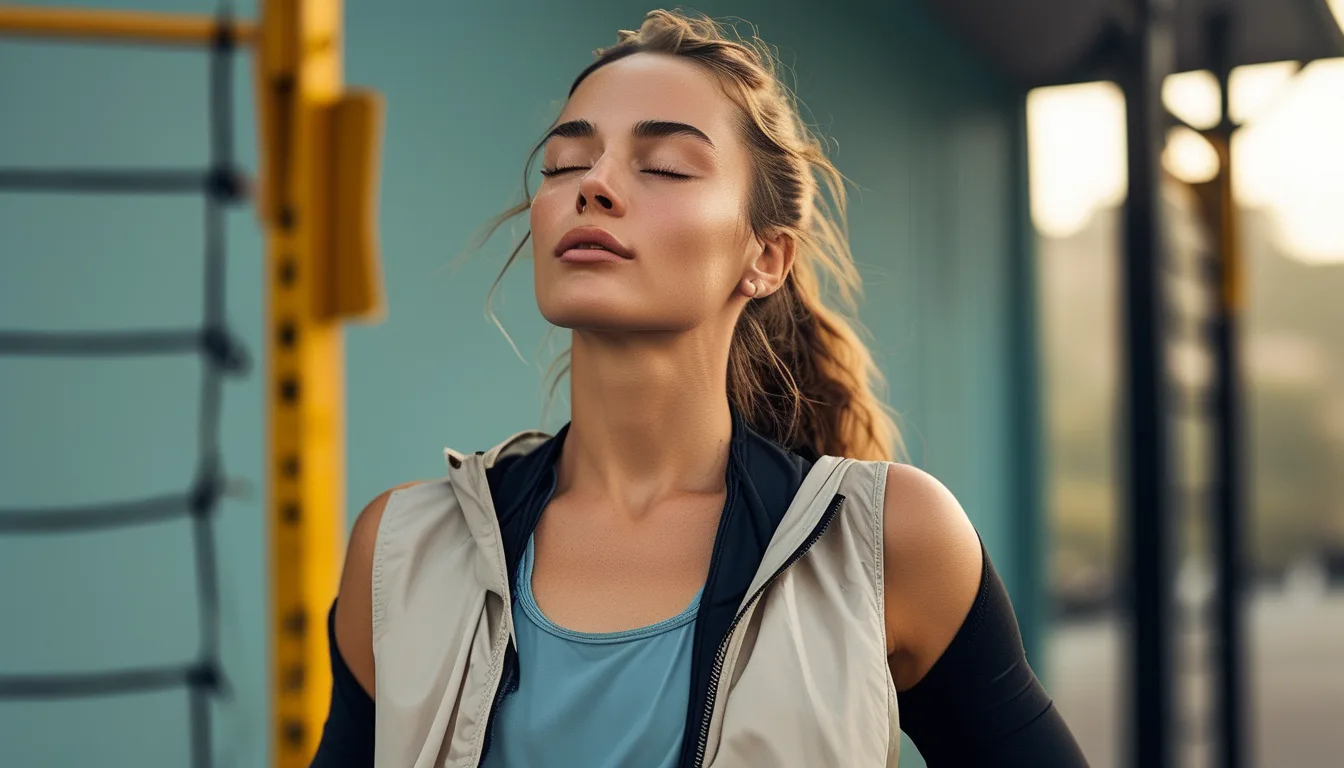
Quick Answer: The layer that solves a sweaty post-workout commute is a loose, open, woven top - a linen or cotton overshirt - worn over dry base clothing rather than over what you trained in. The problem is not warmth, it is that damp fabric against skin keeps evaporating and cooling unevenly while the outside air keeps you sweating. Swapping the sweat-soaked layer for a dry one and adding an airy woven top on top handles both, and takes about ninety seconds.
You finish the session feeling great, walk out into a wall of warm air, and by the second block you are somehow sweating more than you did during the workout.
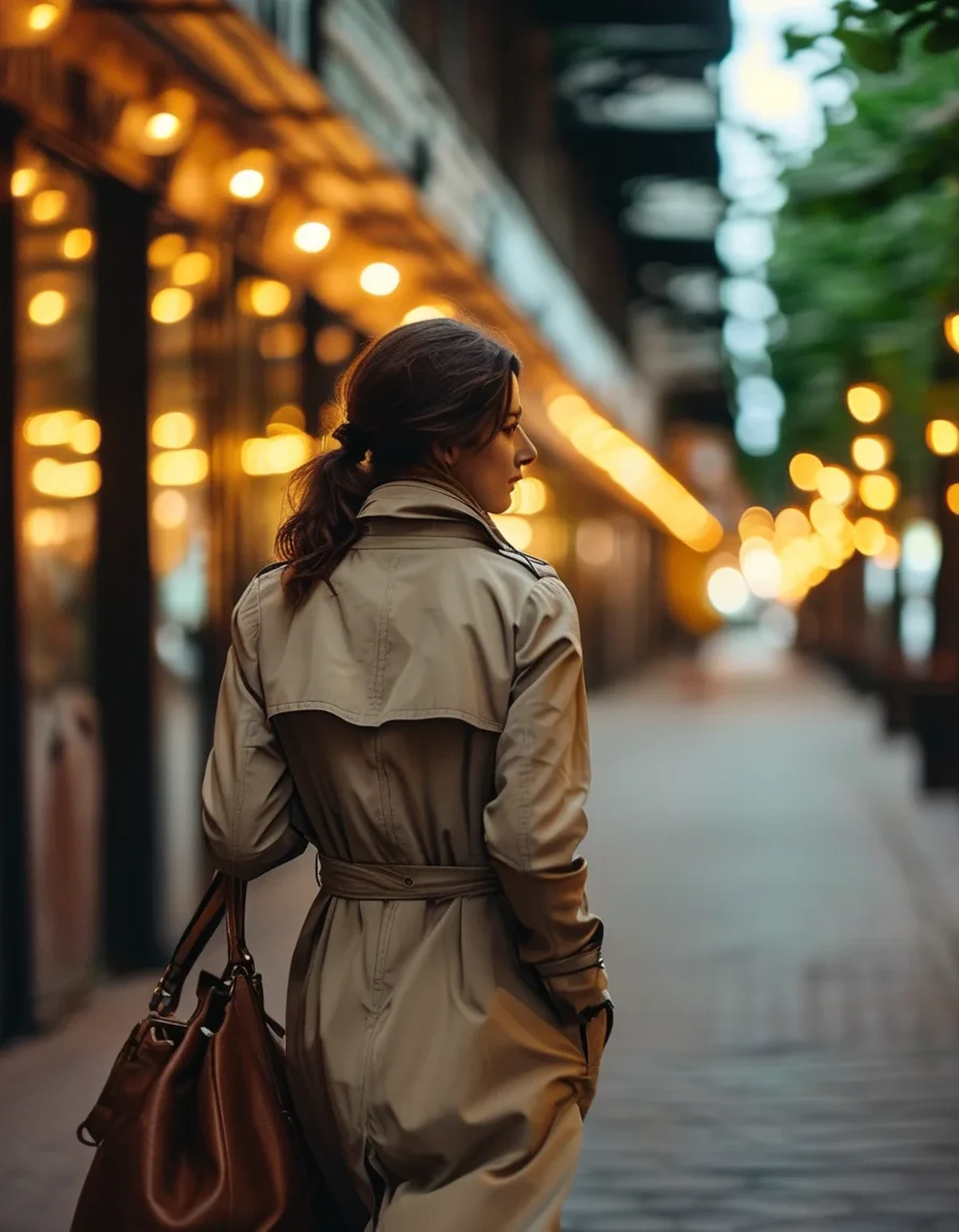
Why does the walk home feel worse than the workout?
Because your body is still running the cooling programme it started twenty minutes ago.
Sweating continues well after exercise stops. Core temperature stays elevated for 20 to 40 minutes after a session, and the sweat response follows it down slowly rather than switching off at the door.
Damp fabric keeps working against you. A soaked technical top evaporates continuously, which cools patches of skin unevenly while the rest of you is still hot. That mismatch is what produces the specific unpleasantness of a post-workout commute.
Humid air blocks the exit route. Evaporation is how your body sheds heat, and humid late-summer air slows it dramatically. You produce the sweat and it simply sits there.
Bags trap heat exactly where you do not want it. A backpack against your spine covers a large area of skin with an insulating layer, and the mid-back is one of the highest sweat-density regions of the body.
And you stop moving air over yourself. During the workout, motion creates airflow. Walking slowly with a heavy bag creates very little, so the small amount of evaporation still possible gets even slower.
The practical read: the goal is not to stay warm or to stay cool, but to get dry fabric against your skin and moving air across it.
The ninety-second changeover that fixes it
The whole solution is a change of the layer that touches you.
Change the top, even if you change nothing else. A dry top against skin makes more difference than anything else on this list. A soaked sports bra is the second priority and worth the extra thirty seconds.
Add a loose woven overshirt. Linen, cotton poplin, or a light chambray - open at the front, not fitted. Woven fabric holds its shape away from the skin, which creates an air gap that a clingy knit cannot.
Leave it unbuttoned. The gap at the front acts as a chimney, letting warm air rise out rather than sit against your body. Buttoning it up removes most of the benefit.
Choose a longer, boxier cut. Anything fitted through the body will stick as soon as you sweat through the fresh layer, which you probably will.
Skip the technical jacket. Performance shells are designed to manage wind and rain, and in still, humid air they are the wrong tool entirely. Woven natural fibre beats technical fabric for this specific job.
Carry the bag on one shoulder or in your hand for the first five minutes. Taking the pack off your back for the hottest part of the walk lets the largest sweat area actually dry.
And towel off before dressing, properly. Thirty seconds with a small towel on the back, neck, and hairline removes surface moisture that would otherwise soak the fresh layer immediately.

5 Mistakes That Make the Commute Home Worse
Mistake 1: Wearing the workout top home because the walk is short. Fifteen minutes in a soaked top in humid air is long enough to arrive home clammy, cold in patches, and irritated. The change takes less time than the walk does.
Mistake 2: Putting a hoodie on over damp clothes. The instinct when you feel a chill is to add insulation, but a hoodie over a wet base traps the moisture against the skin and stops evaporation entirely. You end up hotter and wetter.
Mistake 3: Choosing a fitted knit as the outer layer. Jersey and ribbed knits cling as soon as any moisture appears. A woven shirt holds itself away from the body and keeps working when a knit has given up.
Mistake 4: Assuming light colour is enough. Colour helps in direct sun and does nothing for humidity. Weave and fit matter considerably more than shade for a shaded urban walk.
Mistake 5: Keeping the backpack on the whole way. The mid-back is one of the sweatiest regions of the body and a pack seals it completely. Even switching to one shoulder for a few minutes noticeably changes how you arrive.
Building a small commute kit
Five items, all of which live permanently in the gym bag.
A dry tee or tank, folded flat. Cotton or a cotton blend is preferable to technical fabric here, because you are not exercising in it and cotton feels considerably better against cooled skin.
A spare bra. The most-skipped and most-effective item. A damp band across the ribs is the single most persistent source of post-workout discomfort.
A loose linen or cotton overshirt. Packable, unstructured, and forgiving about creasing. This is the layer doing most of the work.
A small quick-dry towel. Not the big one. A face-cloth sized towel for the neck, hairline, and back takes almost no space and improves everything that follows.
A separate wet bag for the used kit. A simple waterproof pouch keeps the damp clothes away from the dry ones and stops the whole bag smelling by Thursday.
Restock it on the same day each week. The kit only works if it is complete, and the failure mode is always the missing spare bra.
Then wash the damp kit the same day. Sweat-soaked synthetics left in a sealed bag overnight develop the bacterial smell that never fully washes out afterwards - the single most common way good gym clothes are ruined.
FAQ: Post-Workout Commute Questions, Answered
What should I wear home from the gym in hot weather?
Dry base clothing with a loose, open woven overshirt on top. The dry layer against skin matters more than anything else, and the woven top creates the air gap that lets remaining heat escape.
Why do I sweat more after the workout than during it?
Core temperature stays elevated for 20 to 40 minutes afterwards and the sweat response follows it down slowly. Meanwhile you have stopped generating your own airflow, so what you produce simply sits there.
Should I shower at the gym instead?
If it is practical, yes, but give yourself five to ten minutes afterwards before dressing. Dressing immediately after a shower while still warm produces exactly the same damp-fabric problem you were trying to avoid.
Is a technical jacket better than a cotton shirt for the walk home?
In hot, still air, no. Performance shells manage wind and rain, not humidity. A loose linen or cotton woven shirt outperforms them for a warm urban commute.
How do I stop my gym clothes smelling in the bag?
Use a separate waterproof pouch and wash them the same day. Damp synthetics sealed overnight develop bacterial odour that becomes permanent, which is how most gym kit is ruined.
TL;DR:
- Change the layer touching your skin - a dry top and bra beat every other adjustment.
- Add a loose woven overshirt, worn open, to create an air gap; skip fitted knits and technical shells.
- Towel the back, neck, and hairline before dressing, and carry the bag off your back for the first few minutes.
- Keep a permanent five-item commute kit in the bag and restock it weekly.
- Wash damp kit the same day or the smell becomes permanent.
The workout was never the hard part in August. The twenty minutes afterwards is, and it takes ninety seconds to fix.
See It in Motion
Seen here: UPF 50+ Racerback Yoga Tank Top — shop it on bubblelime.com
Keep Reading
This article is for general informational and styling purposes only. Fit, sizing, and product availability may vary.