How to Layer for the Gym When You Can't Predict the Weather on Your Commute
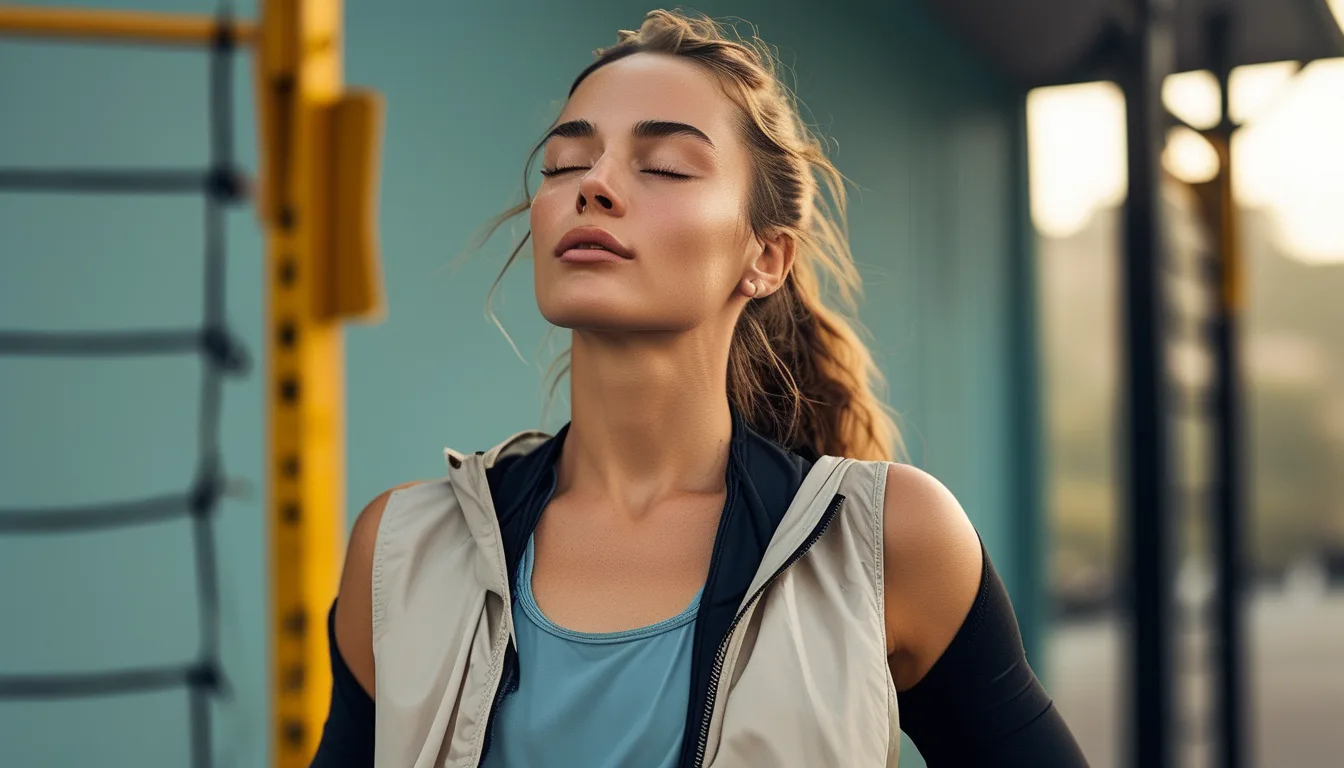
Quick Answer: A three-piece layering system — a moisture-wicking base, a packable mid layer, and a compact weather-resistant outer shell — handles a wider temperature and condition swing than trying to pick a single ‘right’ outfit for unpredictable weather.
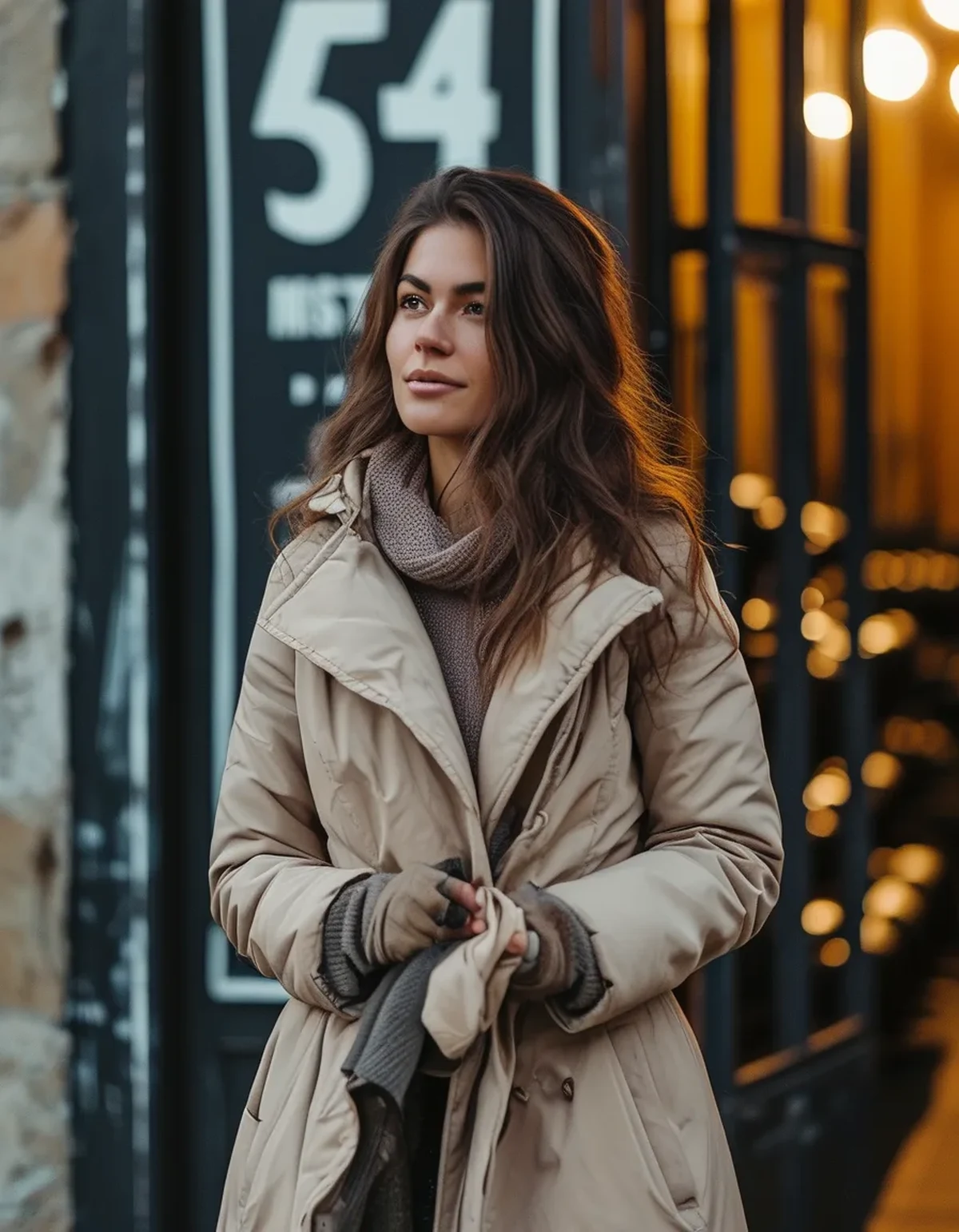
You check the weather before leaving, and by the time your workout ends, conditions have shifted enough that your outfit is wrong for the walk home. Rather than guessing right, a layering system built for change solves this more reliably.
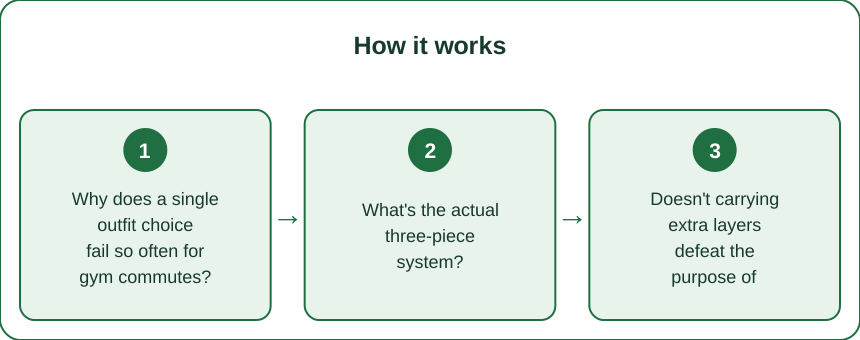
Why does a single outfit choice fail so often for gym commutes?
Weather during a typical gym window (an hour or two) can shift meaningfully — temperature drops, wind picks up, rain starts — and a single outfit optimized for the conditions at departure has no flexibility to adjust when arrival conditions differ. Layering solves an adaptability problem a single outfit choice structurally can’t.
What’s the actual three-piece system?
A moisture-wicking base layer (handles sweat during the workout itself), a packable mid layer like a lightweight fleece or zip-up (adds warmth that can come off and pack down small), and a compact weather-resistant outer shell (blocks wind or light rain, packs into a bag when not needed) together cover a wide range without requiring you to correctly predict conditions in advance.
Doesn’t carrying extra layers defeat the purpose of packing light for the gym?
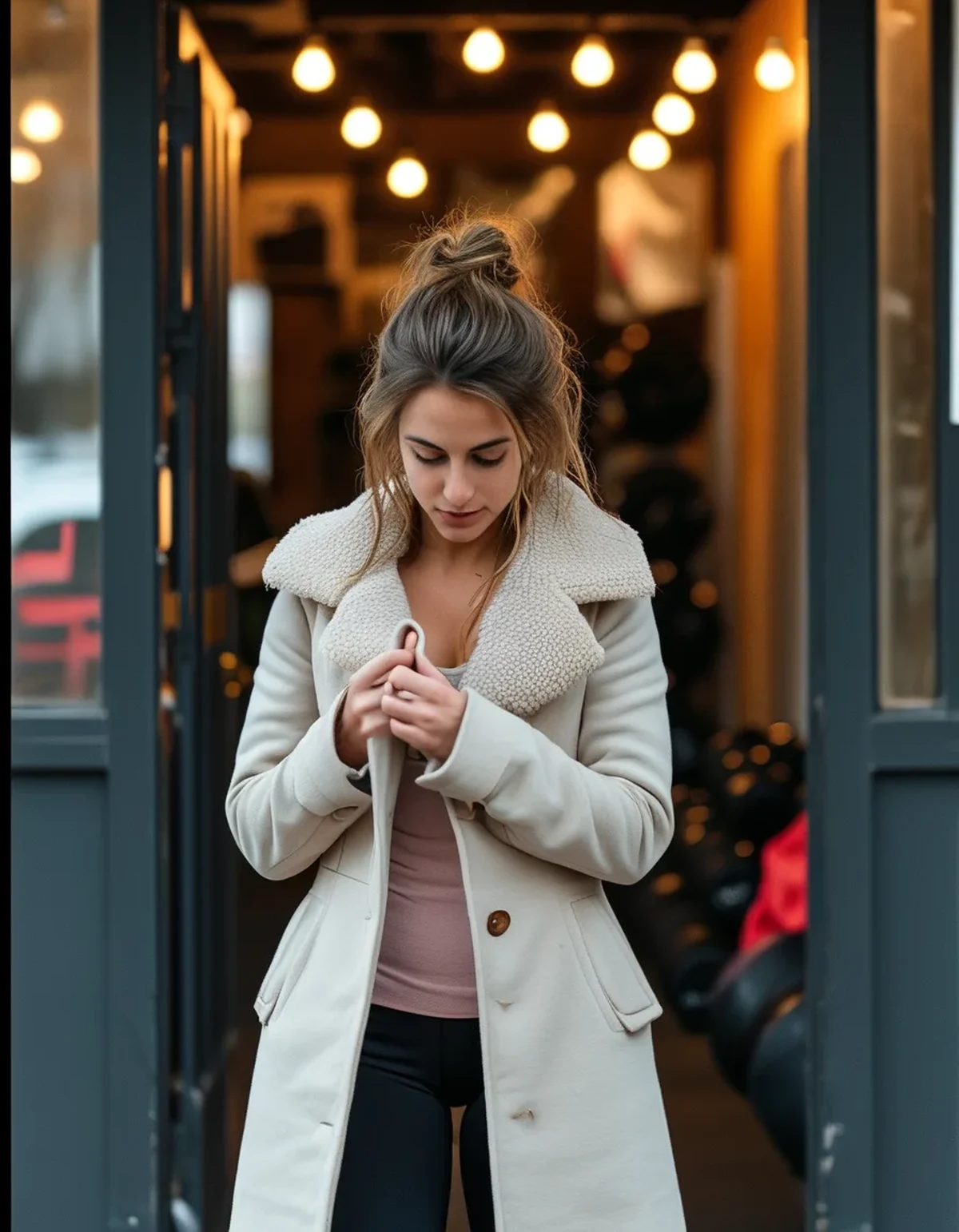
A genuinely packable mid layer and outer shell fold down small enough to fit in most gym bags without meaningfully adding bulk — the goal isn’t more gear, it’s compact, purpose-built pieces that pack smaller than their warmth-to-size ratio would suggest, unlike bulkier casual jackets.
Does this system work the same for winter and shoulder-season transitional weather?
The same three-piece principle applies in both, though the specific weight of each layer shifts — heavier base and mid layers for winter, lighter versions for spring or fall transitional weather where the swing is more about a 15-20 degree difference than an extreme cold snap.
FAQ: Gym Weather Layering Questions, Answered
Should I wear all three layers to the gym or carry some?
Generally wear the base layer, carry the mid and outer layers in your bag, and add them as needed post-workout based on actual conditions rather than guessing beforehand.
What fabric should I avoid for layers I’ll be carrying, not wearing?
Bulky, non-packable fabrics (heavy cotton, non-technical fleece) take up disproportionate bag space; look for compressible technical fabrics specifically marketed as packable.
Does this system work for outdoor workouts too, not just gym commutes?
Yes, arguably even more useful there, since outdoor sessions expose you to actual weather during the workout itself, not just the commute — the same layering logic applies, just adjusted for higher activity-level heat generation.
TL;DR:
- A single outfit choice can’t adapt when weather shifts during a workout window — layering solves that structurally
- A moisture-wicking base, packable mid layer, and compact outer shell cover a wide condition range
- Purpose-built packable pieces fold smaller than their warmth would suggest, unlike bulkier casual layers
- Carry the mid and outer layers rather than wearing everything at once, and add based on actual conditions
Keep Reading
This article is for general informational and styling purposes only. Fit, sizing, and product availability may vary.