The Fabric Order That Actually Works for Gym Layering (And the One That Doesn't)
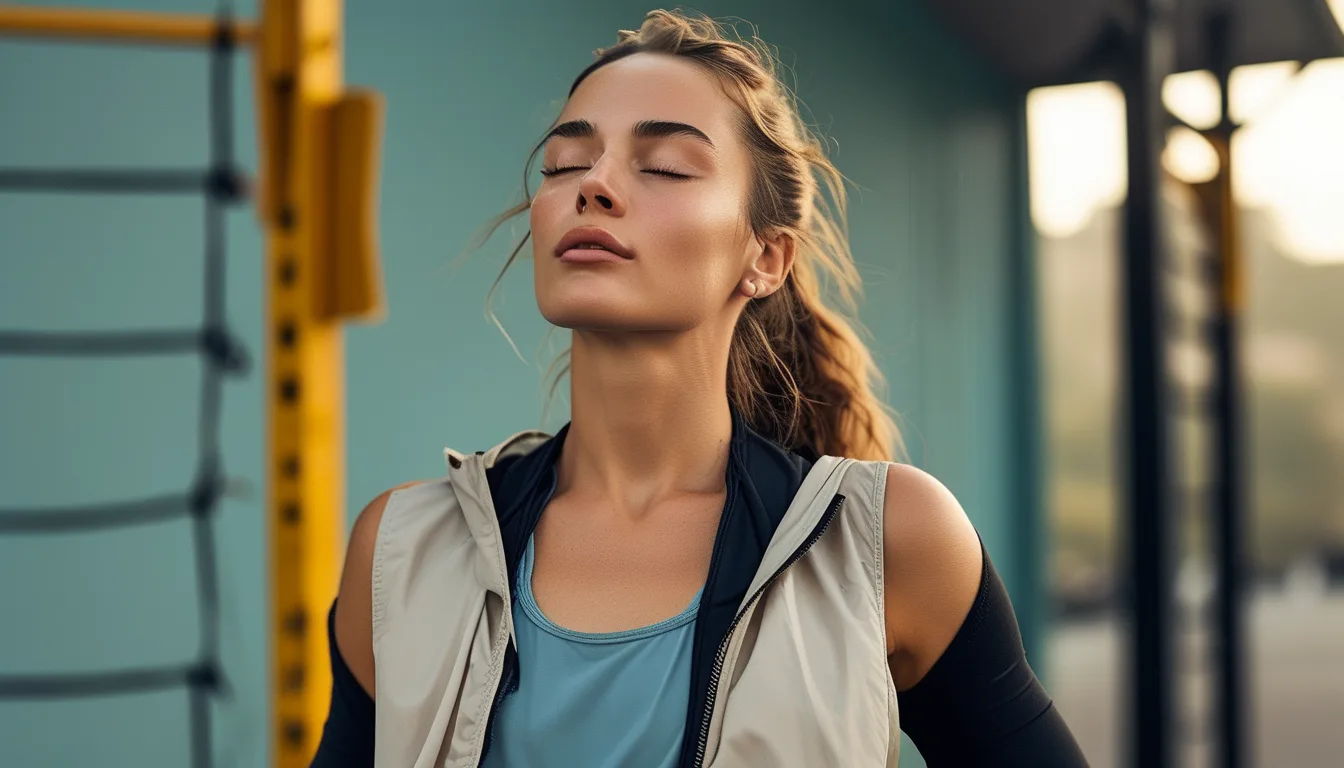
Quick Answer: The correct gym layering order is moisture-wicking synthetic against skin, an insulating mid-layer next, and a breathable (not fully sealed) outer layer — putting cotton anywhere in that stack, especially against skin, traps sweat and makes every layer above it feel damp and cold.
Gym layering isn’t just about how many layers you’re wearing — the order and fabric choice at each layer matters just as much.
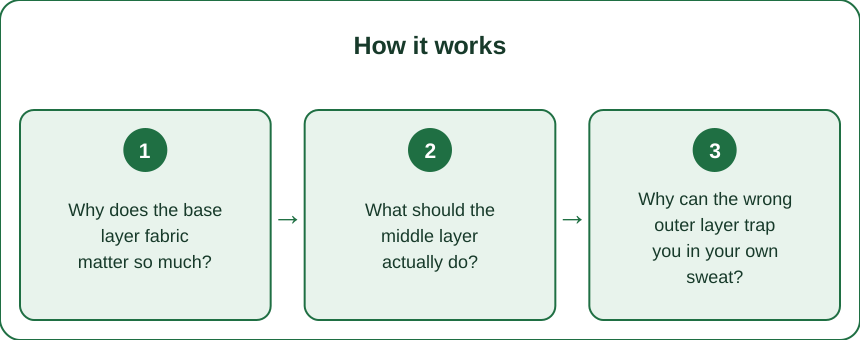
Why does the base layer fabric matter so much?
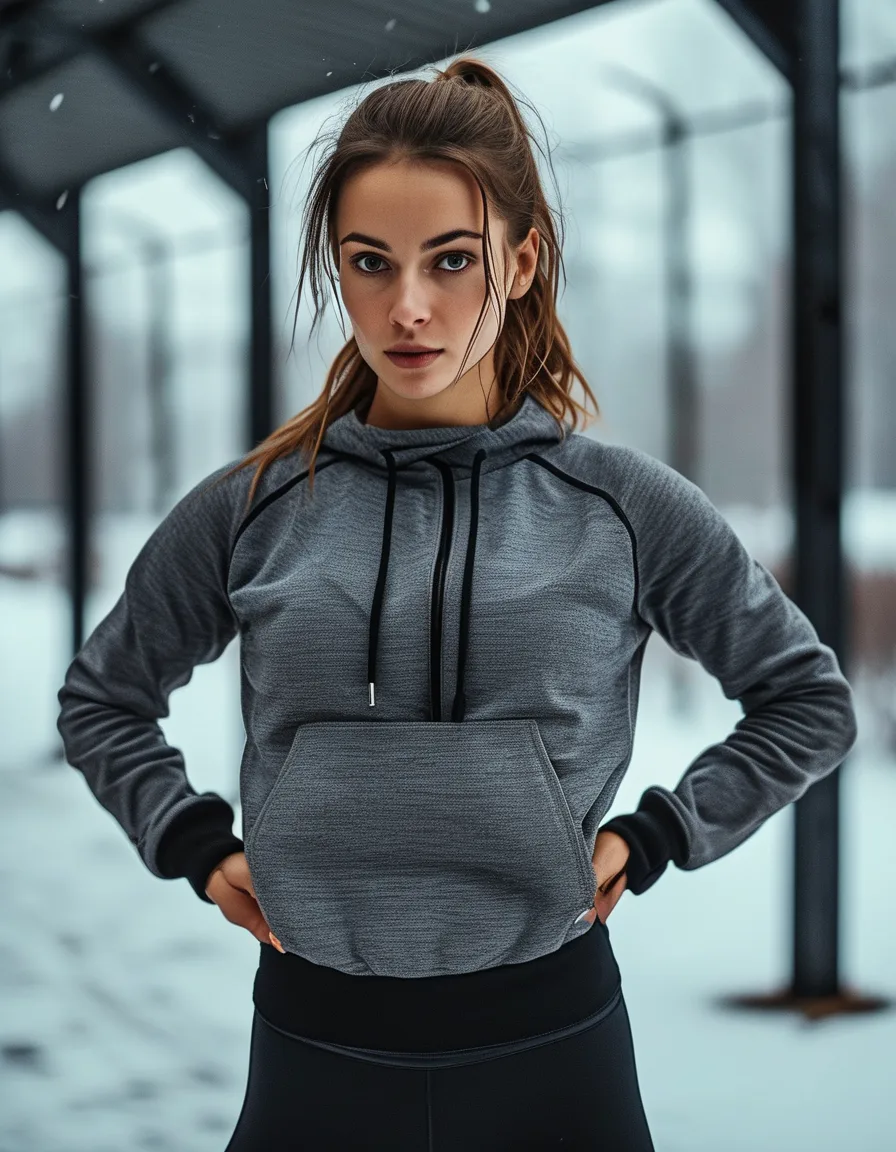
The layer against your skin determines whether sweat gets pulled away and evaporated or absorbed and trapped. Synthetic moisture-wicking fabric (polyester, nylon blends) moves sweat outward to evaporate; cotton absorbs and holds it, which is why a cotton base layer feels increasingly heavy and cold as a session goes on.
What should the middle layer actually do?
The mid-layer’s job is insulation, not moisture management — it traps warm air near your body. Fleece or a light insulated layer works well here specifically because it stays functional even slightly damp, unlike cotton, which loses insulating ability once wet.
Why can the wrong outer layer trap you in your own sweat?
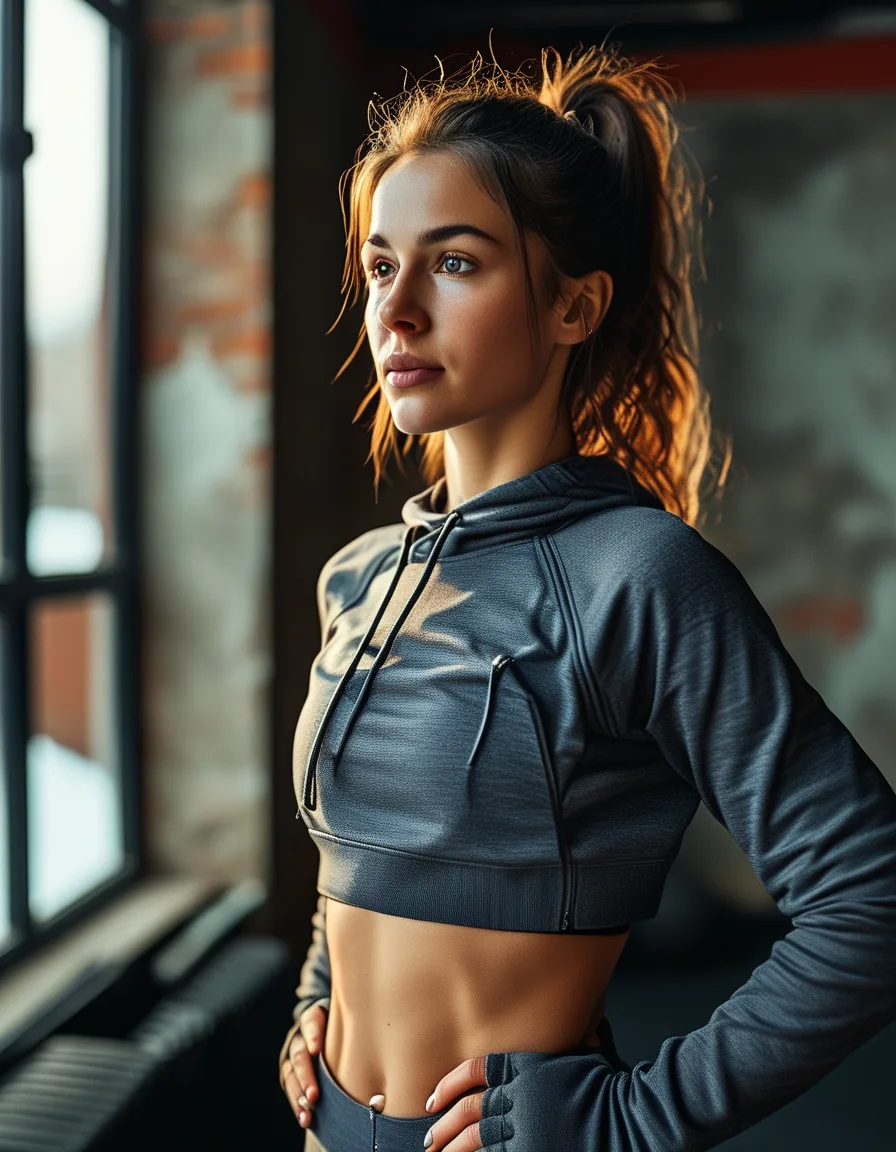
A fully sealed, non-breathable outer layer (like some rain-style jackets) prevents moisture vapor from escaping even if your base and mid layers are doing their job correctly. The result: sweat vapor condenses back onto your skin from the inside, defeating the whole point of the layering system underneath.
Myth vs Fact: Gym Layering
Myth: More layers always mean more warmth. Fact: The wrong fabric order can make you colder — trapped, cooling sweat against skin outperforms staying dry in fewer layers most times.
Myth: Cotton is fine for the gym since you’re indoors and warm. Fact: Even indoors, cotton against skin during a sweaty session leads to the same damp, clammy problem — the mechanism doesn’t care about outdoor vs indoor temperature.
Myth: Your outer layer should be as sealed as possible for warmth. Fact: Some breathability in the outer layer is what lets the whole moisture-wicking system underneath actually function as intended.
FAQ: Gym Layering Fabric Order, Answered
How many layers is actually optimal for a cold-weather gym session?
Most people do well with 2-3 layers (wicking base, light insulation, breathable outer) — more than that often becomes cumbersome to remove as you warm up mid-workout.
Should I remove layers as I warm up during a workout?
Yes — layering is meant to be adjustable; removing the outer layer once you’re warmed up prevents overheating and excess sweat buildup.
Does this fabric order matter for indoor gym sessions too, not just outdoor training?
Yes — the moisture-management principle applies indoors during any sweaty session, though you’ll typically need fewer total layers than outdoor cold-weather training.
TL;DR:
- Base layer: moisture-wicking synthetic, never cotton, directly against skin
- Mid-layer: insulation like fleece, which still works even slightly damp
- Outer layer: breathable, not fully sealed, so moisture vapor can actually escape
- Cotton anywhere in the stack traps sweat and makes every layer above it feel damp
Get the fabric order right and layering actually regulates temperature instead of just adding bulk.
Keep Reading
This article is for general informational and styling purposes only. Fit, sizing, and product availability may vary.