How to Layer for a Cold-Weather Workout Without Overheating by Minute 10

Quick Answer: Use 3 layers — a moisture-wicking base, an insulating mid-layer, and a windproof outer shell — and plan to remove the outer layer once you’re warmed up, usually 10-15 minutes in. Overdressing for the walk to your workout is the most common cold-weather mistake.
The cold-weather workout mistake almost everyone makes: dressing for how it feels standing in the parking lot, not for how it’ll feel 10 minutes into your warm-up. Get the layering system right and you avoid both the shivering start and the overheated middle.
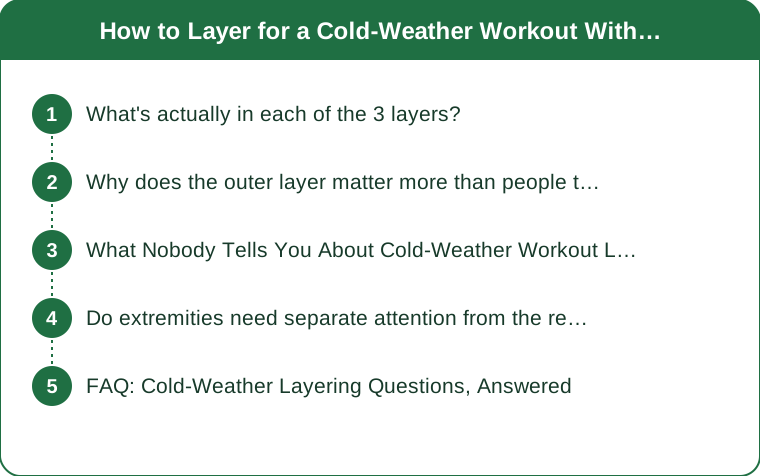
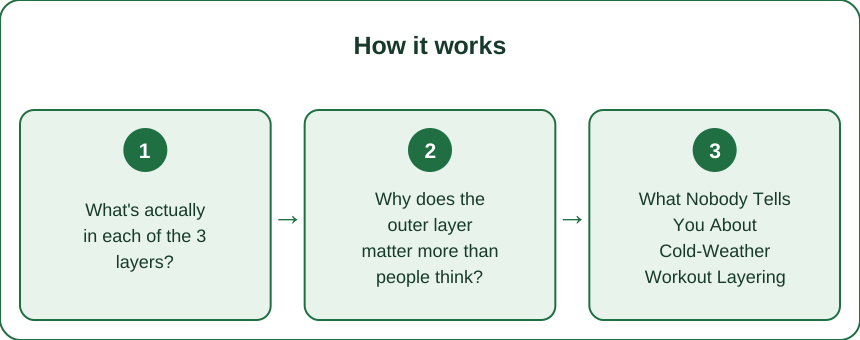
What’s actually in each of the 3 layers?
Base layer: moisture-wicking, fitted (not cotton — it holds sweat against your skin and gets cold fast). Mid layer: something insulating like fleece or a light thermal — this is your “warmth” layer and the first thing you’ll want to shed.
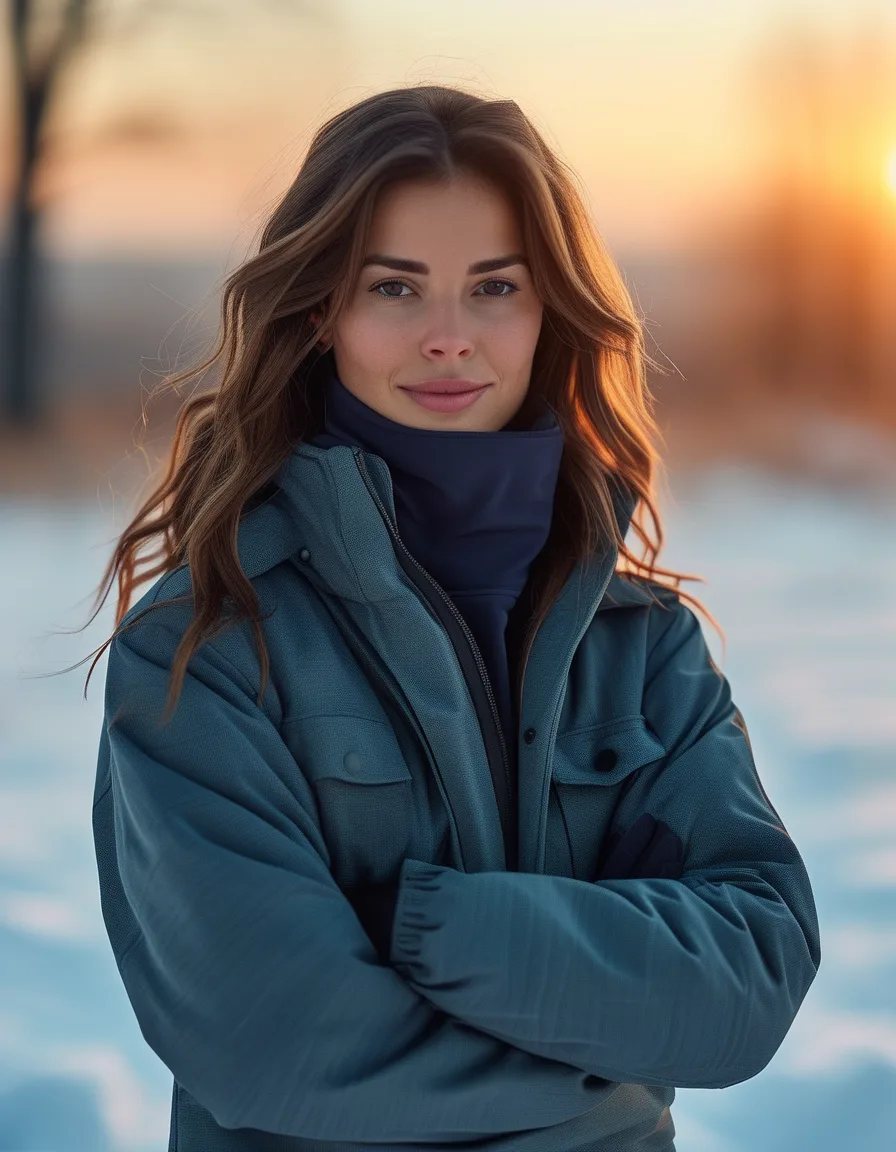
Outer layer: windproof and ideally water-resistant if there’s any chance of rain or snow — this blocks wind chill, which affects how cold you feel far more than actual temperature does.
Why does the outer layer matter more than people think?
Wind chill can make a 40°F day feel like 25°F, and a windproof shell blocks that effect almost entirely, even if it’s not particularly insulating on its own. This is why a thin windproof jacket often outperforms a thick sweater for actual outdoor comfort — it’s solving a different problem (wind, not just cold).
If you only upgrade one layer for cold-weather workouts, make it a genuinely windproof outer shell, not a heavier mid-layer.
What Nobody Tells You About Cold-Weather Workout Layering
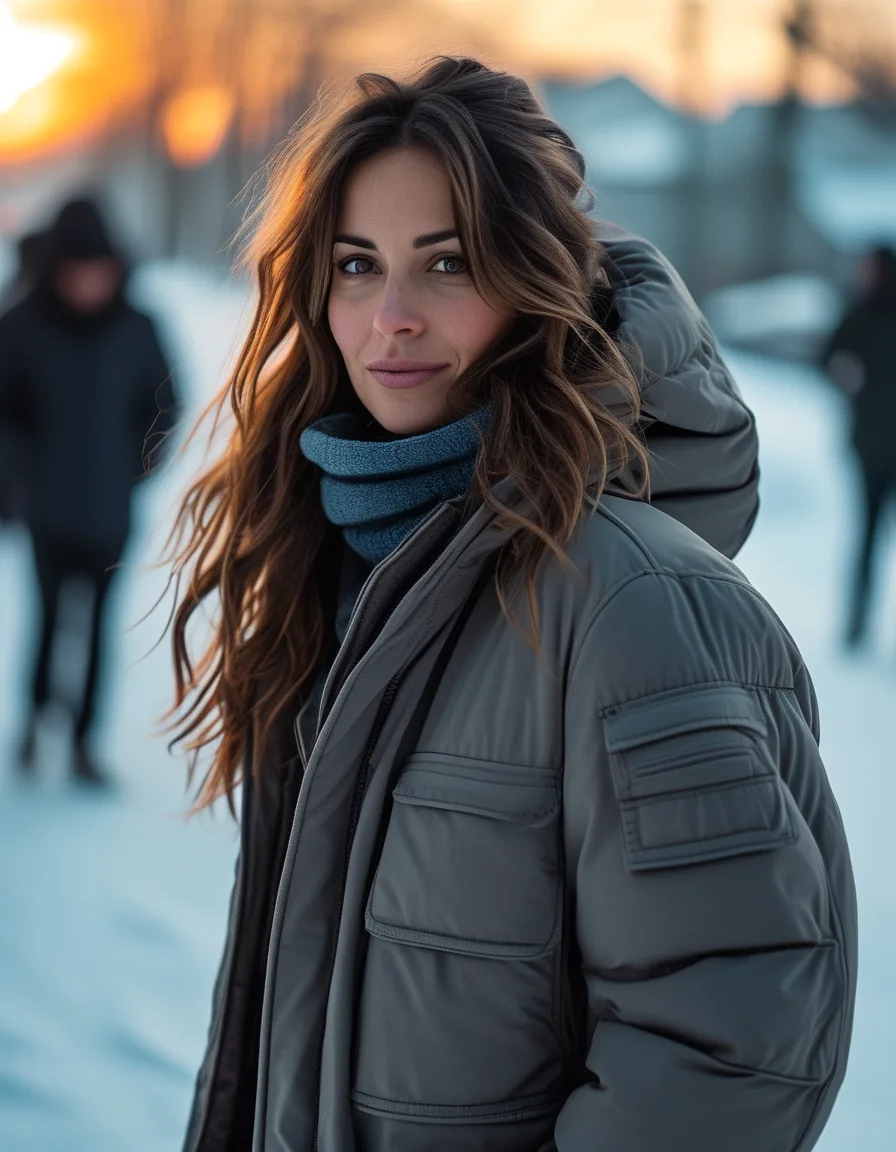
You should feel slightly cold for the first 5 minutes. If you’re comfortable standing still at the start, you’re overdressed for the workout — your body heats up fast once moving, and an outfit that felt right standing still becomes sweaty and uncomfortable by minute 10.
Dress for how you’ll feel mid-workout, not how you feel walking to your car. This one mindset shift solves most cold-weather overdressing.
Do extremities need separate attention from the rest of the layering system?
Yes — hands, ears, and feet lose heat fastest and don’t “warm up” the same way your core does during exercise. A separate light glove (easy to remove and pocket) and an ear-covering headband handle this without needing the bulk of a full winter hat, which tends to cause overheating once you’re moving.
Your core follows the 3-layer system above; your extremities need their own light, removable protection.
FAQ: Cold-Weather Layering Questions, Answered
What temperature actually requires 3 full layers versus just 2?
Below about 40°F (4°C) with any wind is where the third, windproof layer starts making a real difference. Above that, a base layer and one mid layer is often enough, especially for a higher-intensity workout.
Should I wear the same layers for walking versus running in the cold?
No — running generates more body heat faster, so runners typically need one fewer layer than someone doing a walk-based outdoor workout at the same temperature.
What’s the biggest layering mistake for cold-weather workouts?
Overdressing for the first 5 minutes. Dress to feel slightly cold at the start — your body warms up faster than most people plan for, and the outer layer is easy to shed once you do.
TL;DR:
- 3 layers: moisture-wicking base, insulating mid, windproof outer — remove the outer once warmed up
- Wind chill matters more than raw temperature — a windproof shell often beats a thicker sweater
- Feel slightly cold for the first 5 minutes; that means you’re dressed correctly, not underdressed
- Hands, ears, and feet need separate light protection — they don’t warm up like your core does
Dress for minute 10 of the workout, not minute 0 in the parking lot — that’s the whole system.
Keep Reading
This article is for general informational and styling purposes only. Fit, sizing, and product availability may vary.